
Guide · September 18, 2026 · 8 min read
Selling a house with tenants in Utah: notice, leases and your options.
The tenant is rarely the obstacle a landlord thinks. The lease, the notice period and the deposit each have a rule, and once you know them the sale is mostly a question of which buyer you pick.
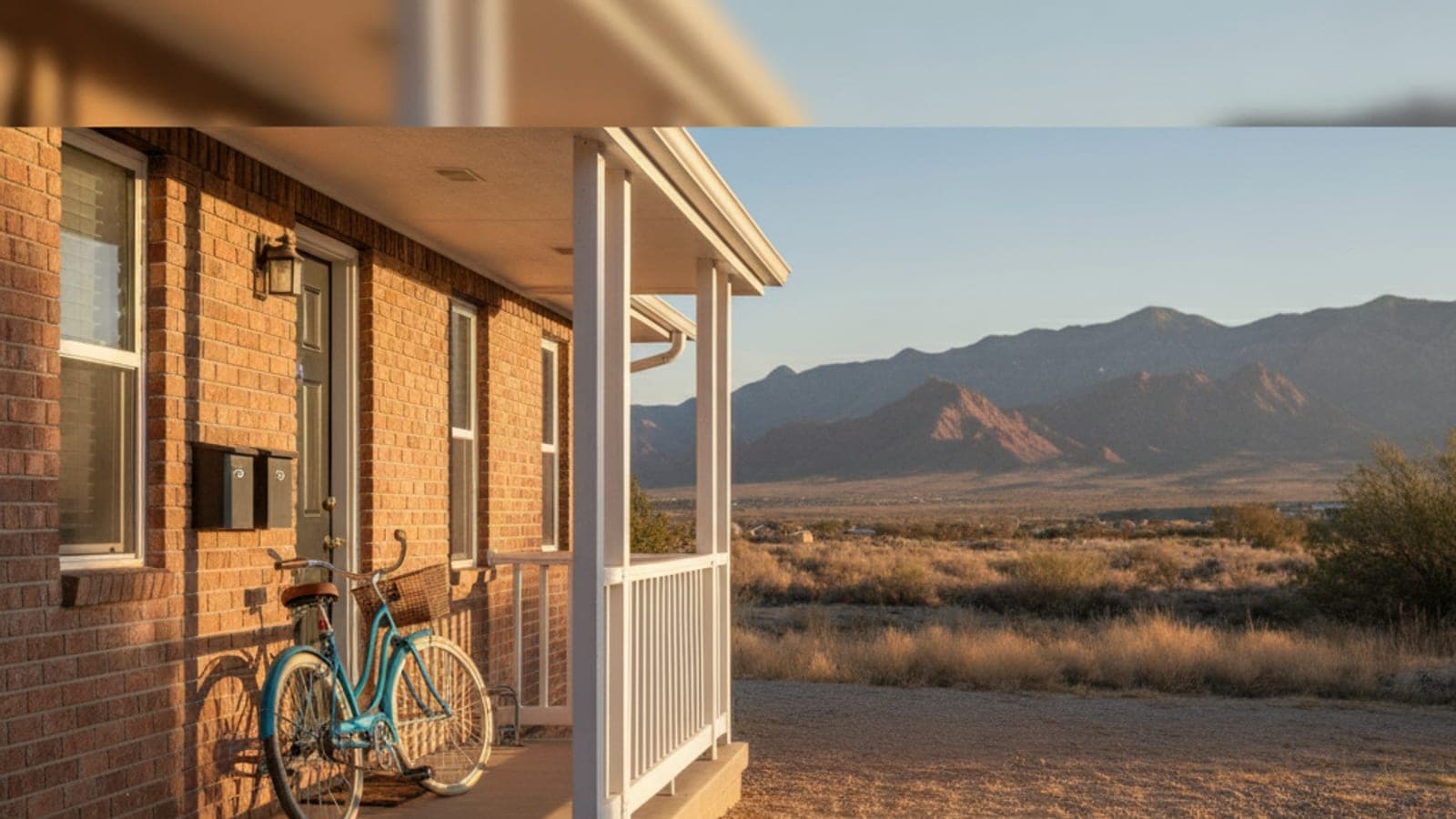
Yes, you can sell a house with tenants in Utah, and you do not have to wait for the lease to end. A fixed-term lease generally transfers to the buyer, a month-to-month tenant gets written notice if the buyer wants the house empty, and the deposit is usually credited to the buyer at closing. The open question is which buyer.
Can you sell a house in Utah while tenants are living in it?
Yes. Nothing in Utah law requires a rental to be vacant before it changes hands, which is the first thing anyone searching sell house with tenants needs to hear. You sell the property subject to the tenancy, the buyer steps into your shoes as landlord, and the tenant keeps paying rent to a new name.
What the tenant changes is the buyer pool. A family that wants to move in needs the house empty soon after closing, and an owner-occupancy loan generally expects them living in it within about 60 days. An investor does not care, and often prefers a paying tenant. So selling a rental property with tenants in place narrows who will bid, and that is the real cost, not any legal barrier.
If you are weighing whether to sell at all, our cash buyer versus renting page runs the keep-it-as-a-rental arithmetic.
How much notice does a Utah landlord give a month-to-month tenant before selling?
None to sell, and at least 15 calendar days before the end of a rental period if the tenant has to leave. Selling a house with a month-to-month tenant does not end the tenancy. If the buyer keeps the tenant, you tell them who to pay from closing day.
If the house has to be empty, Utah's unlawful detainer statute, Utah Code 78B-6-802, lets the owner end a periodic tenancy by serving a notice to quit 15 calendar days or more before the end of the month or rental period. A tenant who stays past the notice can only be removed by an unlawful detainer action in court, a separate and longer step. A true tenancy at will, one with no fixed term and no regular rent period, generally needs 5 calendar days. Your lease can promise the tenant more notice than the statute, and if it does the lease controls. Some cities and subsidized programs add rules of their own, so confirm the notice with a Utah attorney or your local housing office before you serve it.
Serve it in writing, keep proof, and count backwards from closing: a landlord selling a house month to month who wants an empty unit on the 1st should have notice in the tenant's hands by the middle of the month before.
What happens to a fixed-term lease when the house sells?
In most cases it survives the sale and binds the buyer. A lease is a contract tied to the property, and a new owner generally takes the house subject to it. The rent, end date and terms stay the same until it expires. The buyer cannot raise the rent mid-lease or ask the tenant to leave early just because the deed changed hands, unless the lease itself has an early-termination clause for a sale, which is uncommon.
That is fine for an investor buyer and a problem for an owner-occupant, whose loan generally expects them living in it within about 60 days. You have three ways through it: sell to a buyer who wants the tenant, wait for the lease to run out, or negotiate a paid early move-out with the tenant. The third costs money and the tenant can say no.
Which is better, selling with tenants in place or waiting until the house is empty?
Empty nets more, occupied costs less to get there. Whether it is better to sell with tenants or without depends on whether you can carry the house vacant for three months, because that is roughly what a listing takes from notice to closing.
| Question | Wait, then list empty | Sell occupied for cash |
|---|---|---|
| Time to a closing | Notice, clean-out and repairs, then 45 to 60 days after an accepted offer | About 7 days from the offer, or your date |
| Vacancy carried | 2 to 3 months of mortgage, taxes and insurance with no rent | None, the rent runs to closing day |
| Repairs and cleaning | Usually some, to compete with move-in-ready listings | None, the condition is priced in |
| Tenant handling | You serve notice and manage the move-out | The tenancy, lease and deposit transfer to us |
| Showings | Open house and agent showings on an empty house | One walkthrough, with the tenant's notice |
| Fees | Agreed commissions plus closing costs | No fees or commissions |
| Sale price | Closest to retail | Fair, but below retail |
| Who it suits | A landlord with time, reserves and a sound house | A landlord who wants out this month, or has a tenant who will not leave |
Take a Provo fourplex as an example, one lease ending in 30 days and three month-to-month units. Listing it empty means three notices, three or four months of lost rent on four units, and paint and cleaning before photos. Listing it occupied means investor buyers only, with financing that takes 45 to 60 days and can fall through. A cash offer prices the building as it sits, tenants, deposits and all, and closes on a date the seller picks.
If the units are in good shape and you can float the vacancy, the empty listing will usually net more, and we say that on the phone too. Our cash buyer versus realtor page shows the two columns with real numbers. The cash sale is for the landlord who is done: a tenant in arrears, a unit that needs more than paint, or a mortgage the rent no longer covers.
How does a cash sale handle the security deposit and prorated rent?
Both are settled at closing. The seller has been holding the tenant's deposit, and the obligation to return it goes to whoever owns the house when the tenant leaves. So at closing the deposit is credited to the buyer on the settlement statement, the buyer takes on the duty to return it, and the tenant is told in writing who now holds it. Utah's deposit statute, Utah Code 57-17-3, gives the owner 30 days after the tenant vacates to return the deposit with an itemized list of any deductions. That statute does not spell out the handover between owners, so the closing credit is a matter of practice and contract, not a legal formula. Have the title company and your attorney confirm the wording.
Rent is prorated the same way. If the tenant paid $1,800 on the 1st and we close on the 10th, the seller keeps 10 days of rent and the buyer is credited the rest. We buy occupied rentals this way as a matter of course. Our cash offer page explains what goes into the number, and the tenancy is part of it, not a reason to delay.
What can a tenant refuse, and what can they not?
A tenant can refuse to leave before their lease ends or before a proper notice runs out, and can refuse showings that arrive without notice. A tenant cannot block the sale and cannot refuse to pay rent to the new owner.
On entry, the Utah Fit Premises Act, Utah Code 57-22-4, puts a duty on the owner, at least 24 hours prior notice before entering the unit unless the rental agreement says otherwise, but it gives the owner no entry right to enforce against the tenant. If your lease has an access clause, a tenant who refuses every properly noticed showing is usually in breach of it, and the remedy runs through the lease and your attorney. That is a real problem for a listed sale, with its dozens of showings, and barely one for a cash sale, which needs a single walkthrough. The tenant keeps every right in the lease through the sale, and no buyer can strip those by closing.
Questions people ask
Can you sell a rental property with tenants in Utah?
Yes. The property transfers subject to the tenancy, the buyer becomes the landlord, and the tenant keeps the rights in their lease.
What does a landlord selling a month-to-month rental have to do first?
Decide whether the buyer will keep the tenant. If yes, nothing beyond telling the tenant in writing who to pay after closing. If no, serve a written notice to quit at least 15 calendar days before the end of the rental period under Utah Code 78B-6-802, or more if the lease promises it, and give the tenant 24 hours of notice before each showing.
Is it better to sell a house with tenants or without?
It depends on what you can carry. An empty, cleaned house on the open market usually nets more, but it costs 2 to 3 months of vacancy plus repairs to get there. Selling occupied to a cash buyer nets less and costs nothing to get there.
Does the tenant have the right to buy the house first?
No, not by default. Utah has no general statute giving a residential tenant a right of first refusal. If your lease grants one, it binds you, so read the lease before you list.
Can the tenant refuse showings?
Ones without notice, yes. The Fit Premises Act makes you give 24 hours prior notice before entering (written is good practice), but it does not itself make the tenant open the door. A refusal after proper notice is a lease question for your attorney, not a reason to give up on the sale.
Who keeps the security deposit at closing?
The buyer takes it over, usually. It is credited to the buyer at closing, the buyer becomes responsible for returning it within 30 days of the tenant moving out, and the tenant should get written notice of the change.
If your units are in good shape, your tenants are on good terms, and you can afford to carry the building empty for a season, list it with an agent after the leases run out. That will usually net you more than any cash offer, ours included. If you would rather be done this month, with the tenants, the deposits and the repairs handed off in one closing, request a cash offer. It is written, free, and gives you a firm floor to hold against whatever an agent tells you the building would fetch empty.
Find out what your house is worth in cash. Free, and no strings.
One phone call, or one short form. You'll have a real number by this time tomorrow.
Tell us about the house
Where the house is, your name, and a number we can reach you on. We call back within one business day, and you're free to say no.