
Guide · Updated October 18, 2026 · 4 min read
Code violations do not have to kill the sale.
A violation notice makes a house harder to finance, not impossible to sell. Once you know which of the three exits you are taking, the notice stops running your calendar.
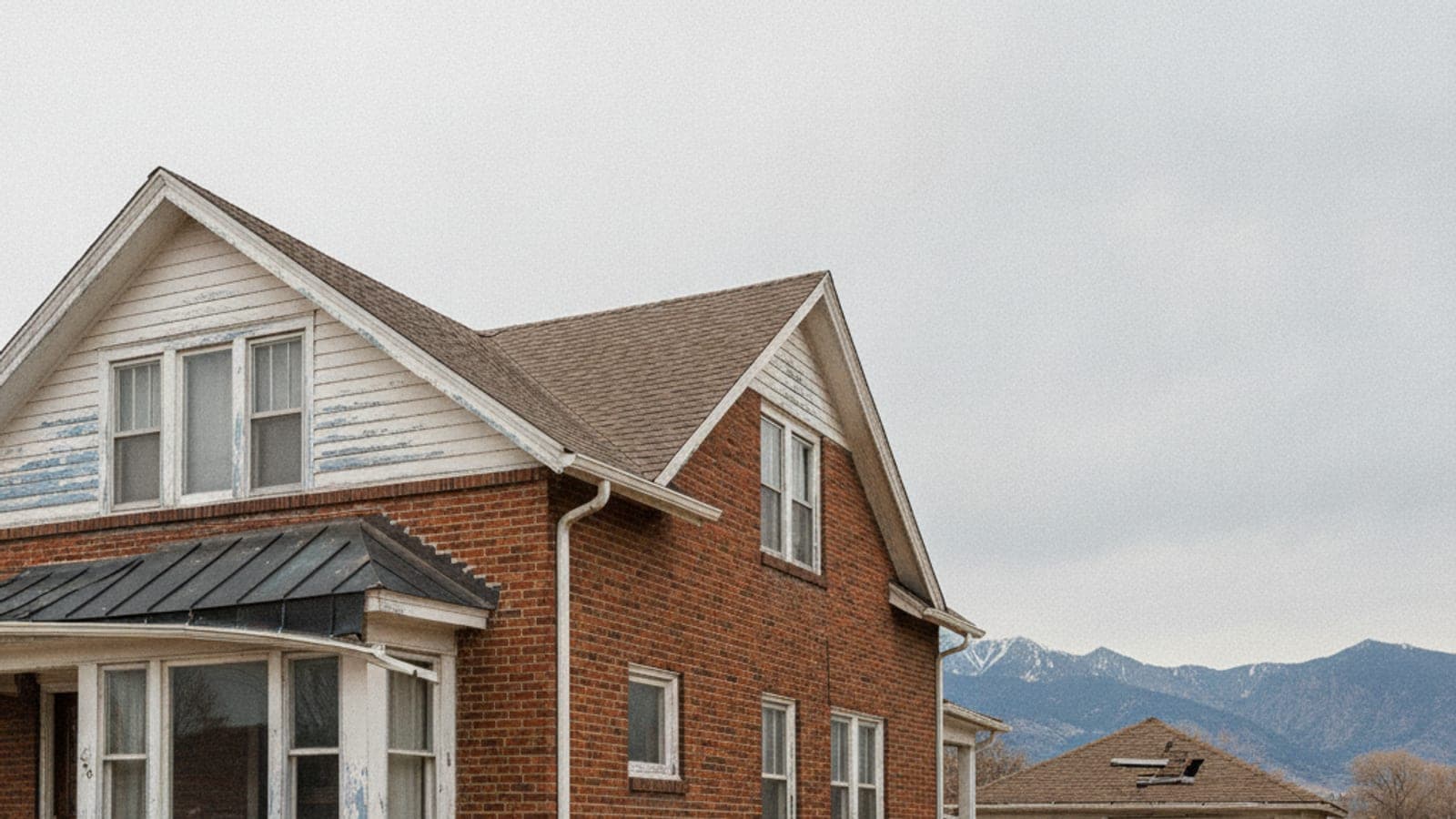
A code violation is the city's way of saying a property does not meet current building, health, or safety standards. Salt Lake City pursues code violations with notices, deadlines, re-inspections, and eventually fines that accrue while the problem stands. If you are trying to sell a house that carries one, the main problem is what the violation does to your pool of buyers.
Why violations stall sales
Financing is the first thing a violation breaks. Most buyers borrow, and lenders are cautious about collateral with open safety violations; FHA and VA appraisals in particular flag health-and-safety items and require them fixed before the loan funds. So an open violation removes most financed buyers from your market before anyone has discussed price. The buyers who remain read the notice as a warning that more is wrong than it says, and they offer accordingly.
Violations also keep running while you sell. Fines accrue, deadlines pass, and a re-inspection can add items, so unlike most house problems, a violation gets more expensive the longer it stands.
The violations we see most in Utah houses
- Missing or dead smoke and carbon monoxide detectors, the cheapest violation to earn and to fix
- Electrical work done without permits: exposed wiring, overloaded panels, circuits that were never inspected
- Missing ground-fault (GFCI) outlets in kitchens, bathrooms, and outdoor locations
- Plumbing deficiencies, from active leaks to water heaters installed without a permit
- Polybutylene supply piping, which insurers dislike because it fails under pressure
- Stairs and decks without compliant handrails or with rotted structure
- Unpermitted additions and basement apartments, common along the Wasatch Front, where the "violation" is the whole room
- Structural items: notched joists, improper framing, foundation movement
One of these is a Saturday errand. Several of them together, on a house that also needs a roof or a furnace, is a renovation project with a permit history to untangle.
Your three exits and what each one costs
Fix everything, then list. This is the right call when the violations are small and the house is otherwise strong. You pay for the repairs, the permits, and the months it takes, and you collect retail when it sells. If the repair list fits on one hand, this route usually nets the most.
List it as-is anyway. You can sell as-is on the open market, and in a hot market it is sometimes sensible, but you are selling to the smaller pool of buyers the financing problem leaves you. Expect investor offers at investor prices, with the showings, contingencies, and sixty-day timeline of a retail sale still attached.
Sell it as-is to a cash buyer. There is no lender, so the financing problem disappears and the violations become a line in the price. We buy houses as-is with open violation cases, unpermitted work, and accrued fines, price the remediation into one written number, and close in about seven days, before the next re-inspection date arrives. As that page also says, the number is below what a fully repaired, fully permitted house would fetch. The discount pays for the exit itself, on a timeline you pick.
What we need from you
The violation notice, and nothing else. You do not need to fix anything, pull permits, or negotiate with the city first. We have taken over open cases before, and the fines are settled at closing like any other lien.
Questions people ask
Can you sell a house with code violations in Utah?
Yes. An open violation does not stop a sale, but it narrows the buyers: lenders, and FHA and VA appraisals in particular, flag health and safety items and can require them fixed before the loan funds. A buyer with no lender can buy the house with the violation open and price the work into the offer.
Who pays the code violation fines when a house is sold?
The fines are settled at closing out of the proceeds, like any other amount recorded against the house. Ask the city for a current payoff figure before you accept an offer, so you know what will come off the number.
Do I have to fix code violations before selling?
Not before selling to a cash buyer. If the buyer has a mortgage, you will usually need the health and safety items fixed first, or the loan may not fund. If the list is short, fixing it and listing usually nets the most.
Which code violations do sellers run into most?
The ones we see most are missing smoke and carbon monoxide detectors, electrical work done without permits, missing ground-fault outlets in kitchens and bathrooms, unpermitted additions and basement apartments, and stairs or decks without compliant handrails. The detectors are a Saturday errand; an unpermitted room can mean a permit history to untangle.
A code case is one part of selling a house here, and the page on how we buy houses in Salt Lake City covers the rest. If you want to know what your house is worth as it stands, notice and all, request a cash offer and have a written number inside 24 hours.
Find out what your house is worth in cash. Free, and no strings.
One phone call, or one short form. You'll have a real number by this time tomorrow.
Tell us about the house
Where the house is, your name, and a number we can reach you on. We call back within one business day, and you're free to say no.