
Guide · November 5, 2026 · 12 min read
The squatters rights Utah law recognizes are narrow, and an owner has two lawful ways to get the house back.
Someone living in your house without permission is not your tenant. Getting them out still runs through the police or a court, and the order matters if you plan to sell.
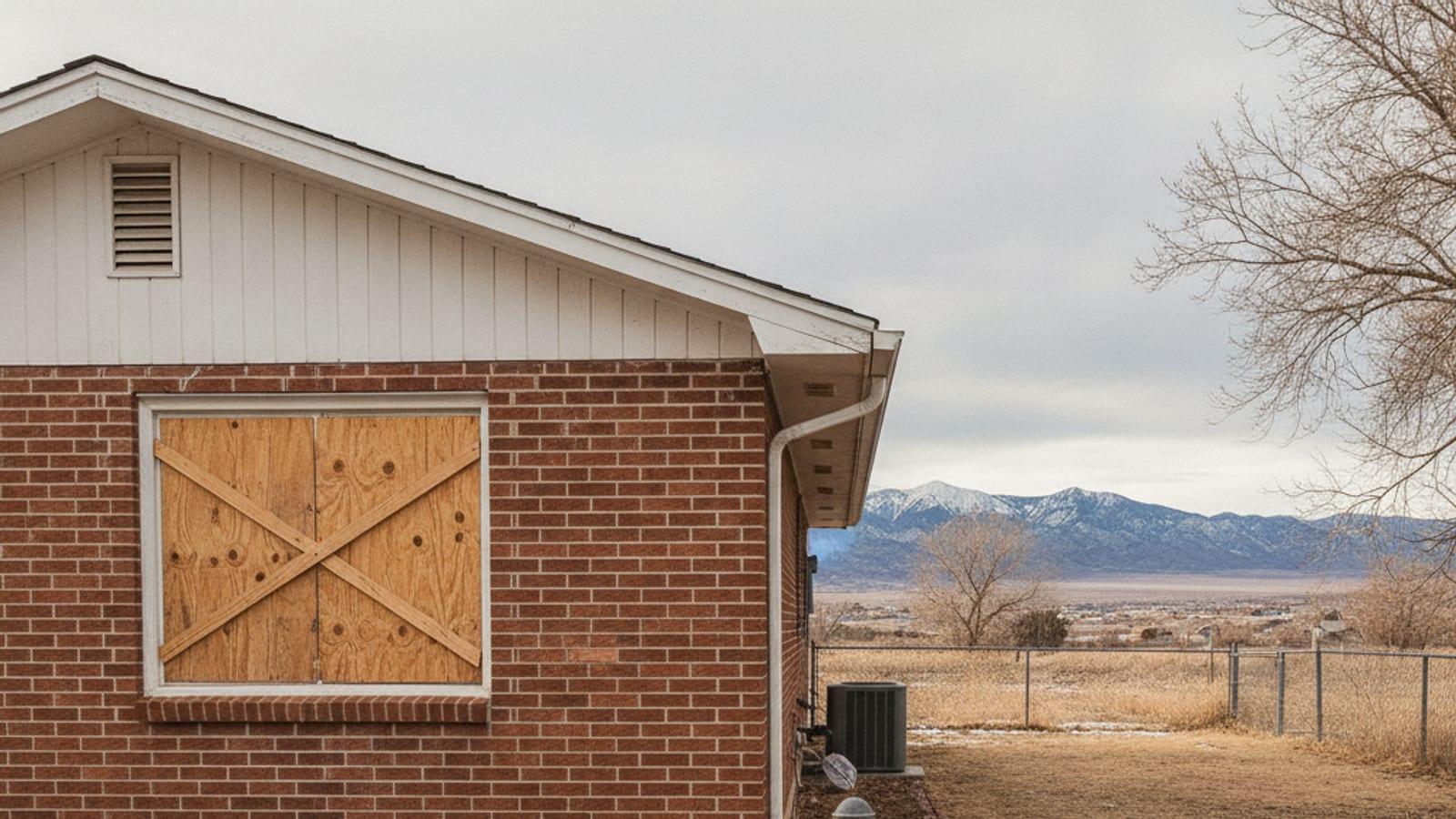
Squatters have almost no rights in Utah. Someone living in your house without permission is not a tenant under Utah law, and since May 7, 2025, an owner can ask the police to remove them with a sworn complaint. The squatters rights Utah owners hear about, like taking over a house in a few weeks, do not exist here.
We are not lawyers, and this post explains what the statutes say. If the person in your house shows a lease, claims to own it, or is family, talk to a Utah attorney before you do anything else.
Do squatters have rights in Utah?
Very few, and none of a tenant’s. A legislative staff brief on removing unlawful occupants says Utah law does not provide legal protections for occupants who are not current or former tenants. The Utah Code calls a squatter a trespasser, someone who occupies property but never had any right to possess it, and says a tenant does not include a person with no legal right to the premises (78B-6-801).
What a squatter does have is narrow:
- A claim if you remove them wrongly. Someone removed under the police procedure when its conditions were not met can sue to get back in, with damages, triple the fair market rent and attorney fees (78B-6-817).
- A hearing if they claim a right to be there. An occupant who shows a lease, even a fake one, can move the dispute from the doorstep to a courtroom.
- Adverse possession, on paper. Seven years of continuous occupation, with all the property taxes paid (78B-2-214).
Utah squatter law got tougher in 2025. Senate Bill 55 changed how to remove squatters in Utah by creating the police procedure in 78B-6-817. It also made damage of $1,500 or more by a trespasser a second degree felony (76-6-106.2), and made it a second degree felony to knowingly advertise a house for sale, or rent it out, without title or authority (76-6-526).
How is a squatter different from a tenant under Utah law?
A tenant has a right to be there and a squatter never did, and that decides whether the police can remove the person or only a court can. Utah Courts’ eviction page for landlords describes a tenant as someone with a lease, or someone who gives you rent, work, or other things of value to live there. Between the two sits the long-term guest: someone an owner or tenant let stay longer than 48 hours without paying, who is not immediate family (76-6-206.4).
| Squatter | Long-term guest | Tenant | |
|---|---|---|---|
| How they came to live there | Without anyone’s permission | With permission, for more than 48 hours, paying nothing | Under a lease, written or oral, or for rent, work or something else of value |
| Where Utah law defines it | 78B-6-801, as a trespasser | 76-6-206.4 | 78B-6-801 and 78B-6-802 |
| How they are made to leave | The police, on your sworn complaint, or a court case | A notice to leave, spoken or written, then the police | A written notice, then an eviction case |
| Court order needed | Not when the police procedure fits | No | Yes, always (78B-6-814) |
Take $200 to let the person stay through the winter, or let them do yard work in exchange, and you may have made them a tenant whom only a court can remove. A real tenancy is covered in our post on selling a house with tenants.
A fake lease, bought from a stranger who advertised a house that was never theirs, does not close the police route: the sworn complaint has a line saying any lease the occupant produces is fraudulent. Still, the legislative brief notes that an officer shown a lease may decline to decide it at the scene and send the owner to court.
How do you remove squatters from a house in Utah?
Tell them to leave, then give a sworn complaint to the local police under 78B-6-817. If the occupant claims a lease, is a current or former tenant, or is family, the police route closes and the case goes to district court. To use the police route, you or your authorized agent must be able to swear that:
- the person entered unlawfully and is still there
- the house was not open to the public when they entered
- you told them to leave
- they are not a current or former tenant under a written rental agreement you authorized
- they are not an immediate family member of the owner
- no lawsuit about the house is pending between you
The statute prints the complaint itself: 12 lines to initial, signed under penalty of perjury, with proof that you own the house or may act for the owner, and a copy of your ID. Once the officer is satisfied, law enforcement must serve a notice to immediately vacate “without delay” and put you in possession. The officer can then stand by while you change the locks and move the occupant’s belongings to or near the property line.
| Police complaint | Court case | |
|---|---|---|
| When it fits | All six statements above are true | Anything else, including an officer who will not decide |
| What you file | The complaint printed in 78B-6-817 | A complaint and summons in district court; unknown occupants can be named John or Jane Doe |
| The clock | A notice to vacate, served without delay once your complaint is verified | 3 business days to answer the summons (78B-6-807); 3 calendar days to leave after an order of restitution is served (78B-6-812) |
| Who removes them | The officer serves notice; you change the locks with the officer there | A sheriff or constable enforces the order |
| Your risk | Damages, triple the fair market rent and fees if the removal was wrongful | Costs, and attorney fees to whoever wins (78B-6-811) |
In an eviction, 78B-6-810 also requires a hearing within 10 business days of an answer if either side asks. Which claim fits a squatter (the chapter covers forcible entry and forcible detainer as well as unlawful detainer) is a question for a Utah attorney.
Take a hypothetical Clearfield house, a 1950s brick rambler your father owned, empty since he died in the spring. Your sister is the personal representative, with the right to take possession of the estate’s property and a duty to protect it (75-3-708). The estate sale cleared the furniture in September. In November she finds a new padlock on the side gate, a broken rear window, and a man asleep in the back bedroom. She does not go in. With an officer there she tells him to leave, then files the complaint with her ID and the court’s letters showing she acts for the estate. If the officer is satisfied, she changes the locks while the officer stands by. If the man produces a lease from someone online, the officer may decline, and a court case adds weeks before the Davis County sheriff or a constable removes him. The window and back-door lock cost $2,000 to replace, over the $1,500 line in 76-6-106.2, so she photographs the damage and reports it.
What should an owner never do to get squatters out?
Never remove them yourself by force, threats or a lockout. Let an officer serving a notice, or a court order, do the removing.
- Do not force them out. Utah defines forcible entry to include turning out the person in actual possession by force, threats or menacing conduct (78B-6-801), and a court trebles forcible entry damages (78B-6-811). Confronting a stranger in an empty house is also how people get hurt.
- Do not change the locks or haul out their things first. The police procedure allows both after the notice is served, with an officer present. If the person turns out to be a tenant, a lockout without a court order is unlawful (78B-6-814).
- Do not cut the heat or water to drive them out. Utah Courts lists shutting off utilities among the things that are illegal to do to a tenant. In a Utah winter it is also your pipes that freeze, and the Utah Insurance Department’s claims guidance says frozen-pipe damage may not be covered when it comes from failing to keep the house warm.
- Do not take money or work to let them stay. Rent, labor or anything else of value can make the person a tenant.
- Do not sign the complaint unless every line is true. It is sworn under penalty of perjury.
Can you sell a house with squatters in it?
Yes, you can sign a deed with someone inside, but the occupant does not leave because the deed changed hands. The new owner has to use the same police complaint or court case you would have, so the buyer prices in the removal and what they cannot see yet: the state of the rooms, and whether it ends in court.
Removal is a legal process a sale does not skip, so for most owners the better order is to finish it first, then sell. Once the Clearfield house is locked and the window fixed, your sister has a vacant estate house in fair shape that might sell for about $380K. If the estate can carry it for a season, an agent will usually net more than a cash offer, ours included. Our post on selling a vacant house in Utah puts a monthly number on carrying one through a winter, vacancy insurance included, and selling an inherited home in probate covers what the estate needs before anyone can sign. If the house needs more work than the estate can fund, vacant or boarded, it is the kind we buy anywhere in the state, and the houses we buy across Utah sets out the rest.
How do you keep squatters out of a vacant house?
Make it plain that entry is forbidden and someone is watching. Under Utah’s criminal trespass statute, 76-6-206, notice against entering can be given in person, by fencing built to keep intruders out, or by signs likely to be seen, and trespass in a dwelling is a class A misdemeanor.
- Post it and lock it. Signs at the doors and gates, a padlock on the side gate, and broken glass boarded the day you find it.
- Visit every week, or have a neighbor do it. Ask them to call you if they see a light on or a car in the drive, and to stay away from the door.
- Search the address on rental sites. A house advertised for rent by someone who does not own it is how some occupants arrive holding a lease.
- Keep paying the property tax, and keep the receipts. Adverse possession needs the occupant to have paid it.
- Tell your insurer the house is empty. Ask in writing what changes while nobody lives there.
Questions people ask
How long does it take to remove squatters in Utah?
It depends on the route. Under the police procedure in Utah Code 78B-6-817, an officer who verifies your complaint must serve a notice to immediately vacate without delay. A court case takes longer: 3 business days to answer the summons, an eviction trial within 60 days of service unless both sides agree otherwise, and 3 calendar days to leave after an order of restitution is served.
Can squatters claim ownership of a house in Utah?
Almost never. Adverse possession in Utah takes seven years of continuous occupation and proof that the occupant paid all the property taxes for that time (Utah Code 78B-2-214), and the law presumes the record owner is in possession until that is shown (78B-2-208). An owner who pays the tax bill and acts within months is far from that line.
Do I need a lawyer to remove squatters?
Not always. You can give the police complaint yourself, and Utah Courts publishes eviction forms for owners who represent themselves, though a company other than a DBA needs someone to represent it. If the occupant shows a lease, claims to own the house, or is family, see a Utah attorney first; Utah Courts’ finding legal help page lists free help and the State Bar’s lawyer search.
Will my insurance cover damage squatters cause?
Often. The Utah Insurance Department says just about every homeowner’s policy covers vandalism and theft, though a policy’s conditions and exclusions decide what it pays on a house nobody lives in, so read the vacancy clause before you count on it. Call the insurer as soon as you find damage, photograph it, and make only the repairs that stop further damage until the insurer inspects.
Should I call the police or file an eviction?
Call the police when the person moved in without anyone’s permission, has never been your tenant, and is not family. File in court when they have or had a lease, paid rent or worked to live there, or when the officer declines to decide. Removing a real tenant without a court order is unlawful under Utah Code 78B-6-814, so if you are unsure which you have, ask a Utah attorney.
Most owners should finish the removal before they sell, because no buyer can skip it either. Once the house is empty and secured, if it is in decent shape and you can carry it for a season, list it with an agent. If it needs work you cannot fund, a written cash offer is worth having next to the listing estimate. Get your cash offer: it costs nothing, and you are free to say no.
Find out what your house is worth in cash. Free, and no strings.
One phone call, or one short form. You'll have a real number by this time tomorrow.
Tell us about the house
Where the house is, your name, and a number we can reach you on. We call back within one business day, and you're free to say no.